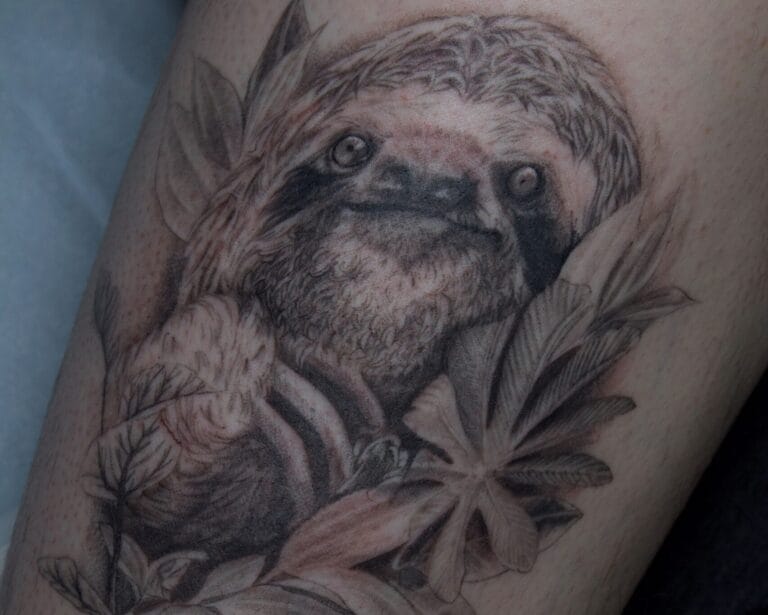
A Complete Guide to Black and Grey Realism Tattoos
A tattoo isn’t only ink etched into the body; it’s a story that lives on the surface. They carry stories, memories, and artistry that lasts a lifetime. Out of all the tattoo styles out there, black and grey realism is admired for its lasting depth and strikingly lifelike detail. As an experienced black and grey tattoo artist, I’ve seen how this style can create powerful imagery that feels alive, whether it’s a portrait, an animal, or a symbolic piece.
Here’s a full guide on what makes this tattoo style so respected, how it began, and why so many clients continue to choose it for their most meaningful work.
What is Black and Grey Realism Tattooing?
Black and grey realism is all about bringing images to life through shading and contrast rather than color. Instead, value, gradient, and contrast are used to build depth and realism. This gives tattoos a striking look that feels both subtle and bold.
The style is often chosen for pieces like family portraits, religious imagery, mythological figures, or even surreal designs. Unlike traditional tattoos that rely on heavy outlines or bold colors, black and grey realism tattoos are all about smooth shading, fine details, and a natural flow on the skin.
For clients who want something timeless and versatile, this style never loses its appeal.
The History of Black and Grey Tattoos
While the earliest versions of black and grey tattoos appeared in prison settings, the style truly found its identity and momentum in Southern California during the 1970s and 1980s. In neighborhoods across Los Angeles, artists began refining shading methods and fine-line work, transforming simple black ink into lifelike portraits and deeply expressive imagery. Chicano culture played a huge role in shaping the look, blending influences from lowrider art, murals, and family portraiture into tattoos that carried both beauty and meaning.
As the style spread along the West Coast, its popularity grew for one simple reason: black and grey tattoos stood the test of time. While color pieces could fade or blur as the years passed, black and grey designs kept their clarity, holding onto the detail and contrast that made them so striking in the first place. For clients who wanted tattoos that would stay sharp for decades, this style became the obvious choice.
That lasting quality, paired with the artistry of realistic shading, is what turned black and grey realism into one of the most respected styles in the tattoo world. What started as necessity became a powerful art form, admired for its elegance, emotional impact, and ability to age gracefully. Today, the influence of those early Southern California artists continues to inspire black and grey tattooing everywhere, from small hometown studios to international conventions.
The Art of Black and Grey Tattoo Techniques
Mastering black and grey tattoo techniques is about much more than simply diluting black ink. Creating this style takes careful patience, exacting skill, and an artist’s eye for the play between light and dark.
- Smooth Shading: Creating gradients that mimic natural skin tones and depth.
- Whip Shading: A technique that gives a softer, feathered look for smoother transitions.
- Pepper Shading: Using a stippled effect to add texture or detail.
- Negative Space: Leaving areas of skin untouched to enhance highlights and dimension.
The way an artist layers shading is what makes a tattoo appear lifelike. While some styles rely on heavy outlines, realism often avoids them, allowing the tattoo to blend seamlessly into the skin.
How Black and Grey Realism Differs from Other Tattoo Styles
A question that comes up frequently is how black and grey realism compares to different tattoo approaches.
- Color Realism: Uses vibrant tones to create lifelike images. These designs are striking, but they often fade over the years more noticeably than black and grey work.
- Traditional Tattoos: Bold outlines and heavy color blocks. They carry a classic look, but lack the subtle detail of realism.
- Black and Grey Realism: Offers a balance of elegance and intensity. These tattoos age beautifully, often holding their clarity longer than color pieces.
This is why so many clients turn to black and grey for meaningful tattoos like portraits, since the look is timeless and will stand strong for years to come.
Famous Examples and Influences in Black and Grey Realism
Many of the most respected tattoo artists in the world built their careers on black and grey realism. From portraits of celebrities to intricate religious scenes, the style has shaped the modern tattoo industry.
Popular subject matter includes:
- Hollywood icons or family portraits
- Religious figures and spiritual imagery
- Animals, skulls, and surrealism
- Mythological or fantasy-inspired designs
Every artist brings their own interpretation to the style, but the foundation remains the same: precision, patience, and a deep respect for realism.
Choosing the Right Artist for Black and Grey Realism
Not every tattoo artist specializes in realism, and choosing the wrong artist can mean your tattoo doesn’t live up to your expectations. An experienced black and grey artist knows how to capture fine details, layer shading correctly, and create a piece that looks just as stunning years later as it did the day it was finished.
In my work as a Coos Bay tattoo artist, I draw on years of practice to create pieces that bring a client’s idea to life while holding true to the art of realism. Whether it’s a portrait of a loved one or a custom design, my goal is to create tattoos that feel alive.
You can view examples of this style in my PENS X NEEDLES Gallery and see how black and grey realism shines across different subjects.
Preparing for Your Black and Grey Realism Tattoo Session
The way you prepare can make a big difference in your tattoo experience. Here are a few essentials to know ahead of your appointment:
- Reference Photos: Bringing ideas helps shape the direction of the piece.
- Consultation: This is where we discuss placement, size, and design details.
- Session Prep: Rest well, stay hydrated, and eat beforehand to keep your energy up.
- Healing Process: Follow aftercare instructions closely. Black and grey tattoos heal beautifully when properly cared for, ensuring the shading and details remain sharp.
Check out our detailed Frequently Asked Questions page for more information on preparing for your next black and grey tattoo, best practices for tattoo pre-care, what to expect during the session, and how to help the tattoo heal best after the session.
Why Clients Love Black and Grey Realism Tattoos
There’s a reason clients keep coming back for black and grey realism:
- Timeless Appeal: Works beautifully on every skin tone.
- Emotional Power: Perfect for memorials, portraits, or spiritual pieces.
- Longevity: Ages well, often better than color-heavy tattoos.
- Versatility: Can be bold or subtle depending on the design.
Each tattoo carries its own story, yet the power of black and grey realism always stands out. It carries emotion, artistry, and a story that’s meant to last.
Book Your Black and Grey Realism Tattoo with Lee Rose
If you’ve been thinking about a black and grey realism tattoo, there’s no better time to bring your idea to life. Whether it’s a portrait, a spiritual design, or a custom piece built just for you, I’d be honored to help create something lasting.
Take a look at the PENS X NEEDLES Gallery to see my recent black and grey tattoo work, or submit a project proposal with the details of your desired black and grey tattoo. Lee reviews every proposal personally and will follow up directly.
Your story deserves more than ink. Let’s make it a work of art.